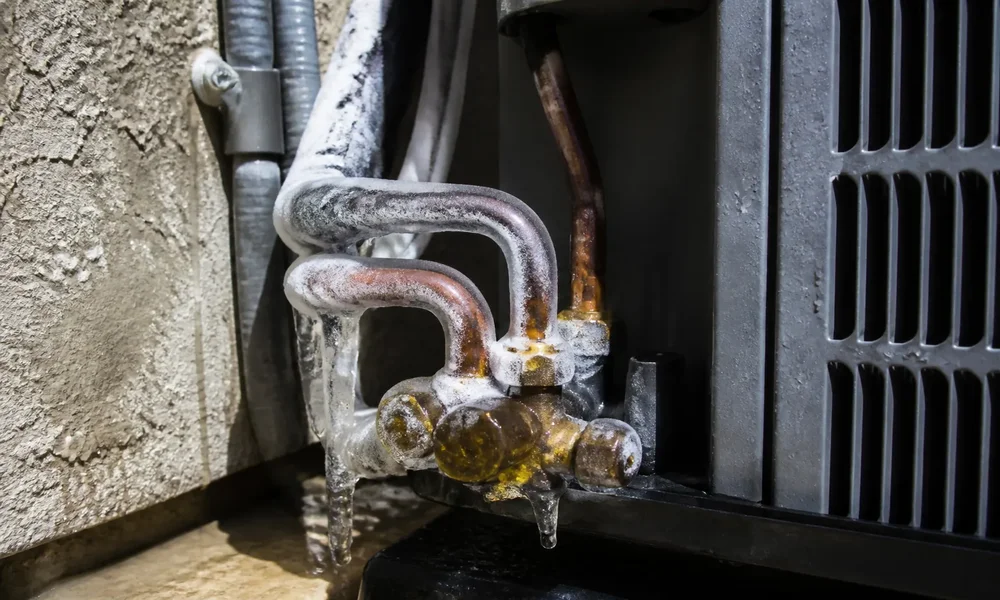
Your pipes are sitting in a mild salt bath, fed by some of the hardest groundwater in the country, buried in sand that shifts every time the water table moves. Nothing about that combination shows up in a standard home inspection. I learned this the expensive way after replacing a water heater that was only five years old, and I have been paying closer attention ever since.
The short version: Sarasota area plumbing fails for different reasons than plumbing in Ohio or Denver, and the maintenance schedule most homeowners inherit from their families up north is the wrong one. Here is what actually wears out first, what you can check yourself in an afternoon, and when a small drip has already turned into a job for someone with a truck and a camera.
Why Tropics Age Plumbing Faster Than Freezing Does
People assume freeze-thaw cycles are the worst thing that can happen to a house. In coastal Florida, the enemy is slower and quieter. Salt spray rides the prevailing breeze off the Gulf and settles on every exposed fitting, valve, and hose bib. Once that salt film mixes with condensation, which happens nearly every morning from spring through fall, you get a low-grade corrosive environment that spends years chewing on the same brass.
Humidity does the other half of the damage. It keeps outdoor cabinets, hose bibs under the lanai, and irrigation connections wet far longer than they would be in a dry climate. Joints never fully dry out, so a seal that would last a decade inland starts weeping in year three. If you live within a few miles of the water, this is your baseline. There is no fix. There is only watching.
Hard Water: The Slow Kill Nobody Warned You About
Hard water is the part that costs homeowners the most money over time, mostly because it stays invisible until something breaks. Every gallon moving through your house carries dissolved minerals, and those minerals leave a little behind on the inside of every pipe, fixture, and heating element they touch. Over years, that film becomes scale.
Your water heater feels it first. Scale builds on the heating element, the burner has to work harder to transfer the same heat, and the tank works harder for less hot water. Most tank-style heaters run five to six years here where a soft-water household might get eight or more. That is not a manufacturer defect. It is chemistry.
Low-flow fixtures are victims too. Aerators clog, showerheads dribble from the edges, and dish sprayers lose pressure long before the cartridge fails. The fix is boring but effective. Flush the tank annually, pull and clean your aerators twice a year, and look into whole-home filtration if you plan to stay put. According to the Environmental Protection Agency, water treatment is one of the few home upgrades that pays back in reduced energy and fixture replacement costs, which matches everything I have seen on my own block.
What the Sandy Soil Is Doing Under Your Slab
Gulf Coast soil drains fast, which sounds great until the ground shifts. Sand and shell move with water, so a slab poured in 1986 may not be resting on the same material it was poured on. Every season brings small settlement. Your drain lines are rigid and buried in that shifting material, and they do not bend gracefully.
Cracks often show up in the lateral lines running out toward the street rather than the pipes in your walls. You get slow drains in one bathroom, gurgling in another, or a toilet that backs up on a schedule. Tree roots exploit the same loose soil, wiggling into hairline cracks near the connection points.
This is the point where guessing costs you. A camera inspection is cash well spent before anyone starts digging. I have watched neighbors approve thousands of dollars in exploratory excavation only to find the actual blockage fifteen feet in a different direction.
The Coastal Corrosion Checklist You Can Run Yourself
You do not need a license to spot most of this. Take an hour on a Saturday with a flashlight and a rag.
- Hose bibs: Look for green or white crust on the outside threads. That is corrosion, not dirt.
- Toilet tanks: Lift the lid. Rust streaks, mineral rings at the water line, or a fill valve that runs long all count.
- Under-sink cabinets: Dry them out and feel for damp. Press a paper towel against the cabinet floor and check for swelling.
- Water heater age: Check the label. Past six years, budget for replacement instead of repair.
- Water pressure: Screw a gauge onto an outdoor spigot. Anything over 80 psi is stressing every joint in the house.
One more thing worth doing: pour a gallon of water into a shower drain and time how long it takes to clear. If it beats a count of ten slowly, you have early buildup and a reason to call before it becomes a Sunday morning emergency.
Hurricane Season Raises the Stakes
Storm surge and heavy rain push water where it does not belong, and pressure surges from the municipal side can hammer older connections. Storm frequency along the Gulf is a documented pattern rather than a yearly gamble. The National Oceanic and Atmospheric Administration tracks that activity and publishes seasonal outlooks homeowners can check before the season starts.
I glance at it every May, mostly to remind myself to test the main shutoff valve while the weather is still boring. Know where your shutoff is. Actually turn it and turn it back. A valve that has not moved in a decade will seize, and you do not want to discover that while water is running down your hallway.
Why Local Experience Beats a Truck With a Logo
Anyone with a license can swap a water heater. Knowing which of the four common causes is actually behind your low pressure in a 1970s Siesta Key ranch takes having seen that house’s cousins a hundred times. Local crews know which streets have original galvanized lines, which neighborhoods sit on slab versus crawlspace, and how long a permit takes at the county office.
When you’re comparing quotes, ask two questions. How long have you worked in this county, and can you show me pictures from the camera rather than just telling me what you found? A crew that hands you a screen with a timestamp earns the job. If you want a benchmark for what that looks like, Experienced Plumbers Serving Sarasota, FL handle routine service and emergencies across the area, and their reviews read like the work was done by people who actually show up on time.
Get three quotes if the job is big. Get one if the job is small and someone can come today. Waiting a week on a slow drain in July is how a hundred dollar fix becomes a thousand dollar one.
The Bottom Line
Your plumbing here is fighting salt, minerals, and moving sand at the same time, and it loses those fights slowly enough that you forget to look. Run the checklist twice a year, flush the heater, watch the pressure, and know where the shutoff lives. That is most of it. The rest is recognizing when you’re out of your depth and calling someone who has drained this exact kind of house before. What does your water pressure gauge say right now? If you have never checked, that is your Saturday project.