
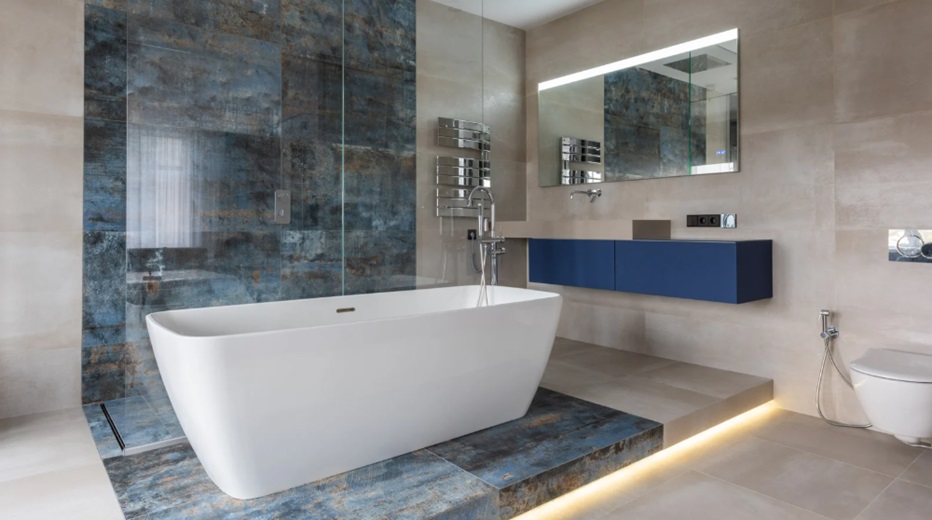
A bathroom is one of the most frequently used spaces in any household, and for families, it needs to strike a balance between functionality, safety, and convenience. Whether you’re working with a single bathroom or multiple family members sharing the same space, your remodel should reflect the everyday demands of a busy home. Homeowners considering bathroom remodeling in Cumming can benefit from thoughtful planning that makes bathrooms more efficient, organized, and kid-friendly without sacrificing aesthetics.
Understand Your Family’s Needs
The first step in designing a family-friendly bathroom is identifying who will be using it. Children, teens, and adults all have different requirements, and your layout and fixture choices should reflect those needs. For example, younger children benefit from lower sinks and built-in step stools, while teenagers may appreciate separate storage or a designated vanity area.
Start by listing common pain points in your current bathroom, like a lack of storage, long wait times for the shower, or limited counter space, and address these issues in the remodel. Thinking ahead about how the bathroom will function for years to come helps you avoid the need for future upgrades as your family grows.
Explore Smart Layout Options
A family bathroom remodel should focus on maximizing space and simplifying traffic flow. Dual sinks are ideal for households with multiple users, allowing two people to get ready at the same time without crowding. If space is limited, consider creative alternatives like extended countertops or side-by-side mirrors.
When evaluating layout changes, take time to understand the different types of bathroom remodels available. This might include full remodels involving new plumbing placement or partial updates that retain the existing footprint while improving storage and functionality. The right choice depends on your budget, timeline, and long-term needs.
Prioritize Storage and Organization
In a shared bathroom, staying organized is essential. Incorporate cabinetry that suits both adults and children. Pullout drawers, vanity dividers, open shelving, and storage towers make it easier to keep items accessible and neatly stored. Hooks or wall-mounted organizers allow for personalized storage zones, which are especially helpful in households with multiple children.
Built-in niches in the shower, over-the-toilet cabinets, and under-sink pullouts add discreet storage while maintaining a clean look. When everything has a place, morning routines run more smoothly, and clutter stays under control.
Select Durable, Easy-to-Clean Materials
High-traffic family bathrooms require materials that are durable and low-maintenance. Non-slip porcelain or ceramic tiles are ideal for flooring, offering safety and resilience. Quartz or solid-surface countertops resist staining and are easy to wipe down, while wall panels or high-gloss paint finishes can help repel moisture and mildew.
Fixtures should be sturdy and designed for everyday use—opt for brushed or matte finishes that resist fingerprints and water spots. Touchless faucets and dual-flush toilets are family-friendly upgrades that promote hygiene and water efficiency.
Decide Between a Shower or a Bathtub
One important consideration in a family bathroom is whether to install a shower, a bathtub, or both. While a walk-in shower is great for older children and adults, households with toddlers or younger kids may find a tub more practical.
Making the right decision often involves evaluating your daily routines and future plans. Understanding the benefits of a shower or bathtub configuration will help you select the option that offers both convenience and flexibility. Some families even choose to include both if space allows, providing long-term versatility.
Safety and Accessibility Features
A family-friendly bathroom should also include safety measures such as rounded countertop edges, anti-scald devices, and grab bars near bathtubs or showers. Non-slip mats or flooring, soft-close drawers, and secure storage for cleaning supplies can help prevent accidents and injuries.
Adjustable-height showerheads, handheld sprays, and step stools can also make the bathroom easier for kids to use independently while supporting aging family members if needed.
Conclusion
Designing a family-friendly bathroom involves more than just updating finishes—it requires an understanding of daily habits, space limitations, and future needs. By selecting the right layout, storage solutions, and materials, you can create a bathroom that’s both stylish and practical for everyone in your household. With the right planning, your remodel will serve your family well for years to come.


More Stories
AI-Powered Threat Recognition: How Sonoran Desert Institute Explores Drone Surveillance and Behavioral Analytics