Plumbing issues can present themselves at any time. They can appear in the form of an overflowing kitchen sink or a burst pipe in the middle of the night. Whenever such problems occur, you may wonder whether to call emergency plumbing services or regular plumbers. Knowing the difference between an emergency plumber and a regular plumber can help you save both time and money.
When are Emergency Plumbers Needed?
You must call an emergency plumber whenever a water problem creates an immediate risk. When water flow gets out of control, it doesn’t require much time to enter cabinets, drywall, and crawl spaces. If there is a burst pipe inside a wall cavity, it can cause water to enter the floor in minutes.
When this happens, your first priority should be to stop further damage and prevent any hazards. A plomberie urgence Montréal service can address the situation by shutting down the water supply, tracking the source, and stopping the water flow to contain the issue.
Emergency plumbing repair services focus on quick response and specific problems. Once the water flow is controlled, you can take further steps for repair and cleanup.
When are Regular Plumbers Needed?
Regular plumbers attend to calls that address plumbing issues that arise with daily use. Such problems don’t require immediate action. Examples include a slow drain, a worn-out faucet, and a toilet that requires a new fill valve. Such plumbing works can be worked around your schedule and you can discuss your concerns in-depth before the plumber starts the work.
A regular plumbing repair service is different from a plomberie urgence Montréal service in that there is no immediate threat to your home. Such services are focused on maintaining the long-term operation of your plumbing system. The goal is to stay ahead of problems to minimize surprises.
Main Differences Between Emergency & Regular Plumbing Services
The key differences between emergency and regular plumbing services are as follows:
- Availability: While regular plumbers have fixed business hours, emergency plumbers are always available to attend to your plumbing issue. They are available 24 hours a day and 7 days a week.
- Response Time: Emergency plumbers tend to arrive quickly to prevent further damage. Regular plumbers always schedule their visit in advance based on your convenience.
- Type of Plumbing Work: As mentioned above, emergency plumbing services deal with issues that pose high risks, while regular plumbing services handle low-risk, planned tasks.
When to Call Emergency Plumbers?
As a general rule, if you notice the following signs and symptoms, you should seek the services of an emergency plumber:
- Burst Pipes: A burst pipe, whether caused by a frozen pipe, worn-out plumbing system, or excess water pressure, can release large volumes of water in an instant, damage walls and flooring, and flood your home.
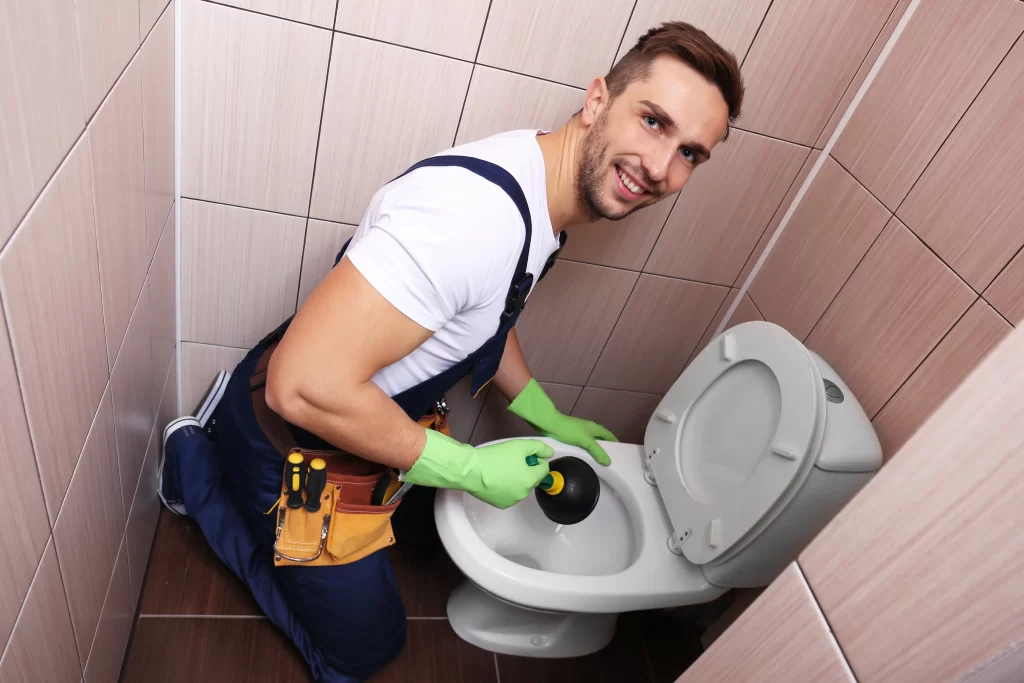
- Toilet Backup & Overflow: A toilet can overflow due to a clogged drain or a broken fill valve or float. Emergency plumbers can respond quickly to the problem to prevent water damage and sanitary concerns from contamination.
- Major Clogs: Severe clogs can cause overflow, sewer line problems, and water damage if not fixed in time. They can be caused by underlying factors such as hair, grease, and soap buildup, or foreign objects getting lodged in pipes.
- Sewage Backups: Sewage backups are plumbing emergencies caused by tree root invasion, clogged drains, or heavy rainfall. Timely intervention by emergency plumbing services can help prevent health risks and property damage.
Some of the additional plumbing emergency scenarios that require specialized services include water leaks, slab leaks, and running toilets. In simple terms, if the plumbing situation gets out of hand, you should call an emergency plumber. If the situation can wait, you should seek the services of a regular plumber.